

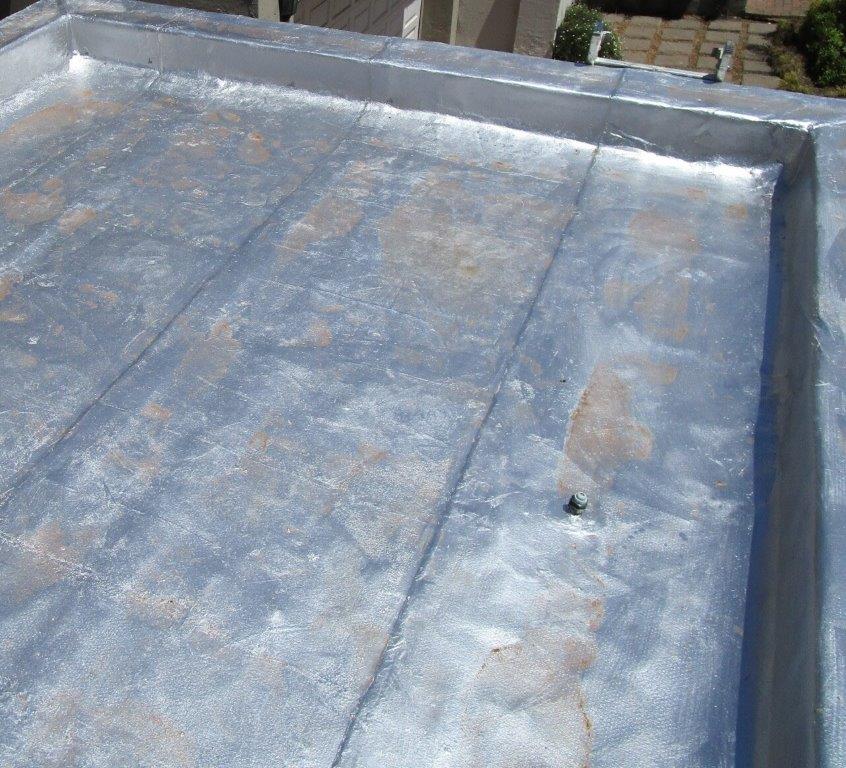
Highveld summer storms are dramatic, and they find every weak point in a building. The time to deal with waterproofing is before the first big downpour, while surfaces are dry and a small repair is still a small repair.
Start with the roof
- Look for cracked, slipped, or missing tiles and lifted sheeting.
- Check the ridges and flashing where the roof meets walls and chimneys.
- Inspect any flat-roof or concrete sections, these are the most common leak points.
Clear the gutters and downpipes
Blocked gutters overflow back into the roof and walls. Clearing leaves and debris before the rains is one of the cheapest, highest-value maintenance jobs you can do.
Check balconies, parapets, and walls
Balconies and parapet walls take a beating from sun and rain and are frequent sources of leaks into the rooms below. Hairline cracks in exterior walls also let water in, where it shows up later as damp on the inside.
Deal with existing damp early
If you already have damp patches, peeling paint, or musty smells, the rains will make them worse. Treating the source now, rather than repainting over it, saves you a bigger repair later.
What to waterproof, and when
A proper waterproofing system depends on the surface: membranes and coatings for roofs and balconies, sealing for walls and gutters. The key is preparing the surface correctly and applying the right product while everything is dry.
Want a professional check before the rains? See our waterproofing service or book an inspection.